October 24, 1836 –
(Please follow along on your flow charts — this will be on the test.)
Mankind was not fully mankind until it learned how to set things on fire. That happened a long time ago and enabled such hallmarks of early civilization as cooked meat, heated homes, and flaming heretics. Only in the past few hundred years, however, has mankind learned how to start fires quickly and easily.
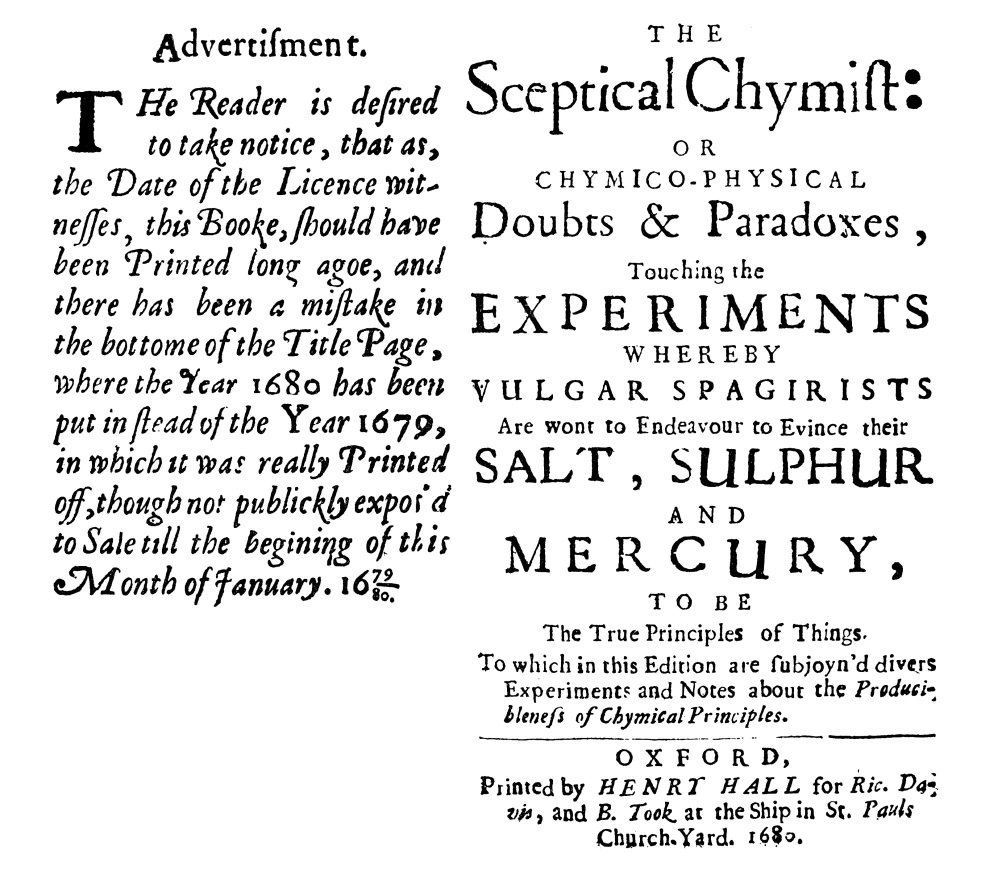
In 1680, Irish scientist Robert Boyle experimented with phosphorus, a substance capable of igniting spontaneously under certain conditions. Such was his reward for a lifetime spent rubbing phosphorus against things to see what would happen.

In 1827, seizing upon an earlier discovery with a zeal usually reserved for Irish real estate, an Englishman named John Walker began selling what he called friction lights. They were essentially matches, except that they were rather temperamental and could burst into flame with a little friction. Walker, however, declined to patent his invention, apparently believing that the ability to start a fire should not be monopolized.
A variation on this firestarter was introduced in England in 1828 by Samuel Jones. Called the Promethean, it consisted of a glass tube containing sulphuric acid, wrapped in paper treated with chemicals. To ignite the Promethean, one broke the glass tube, releasing the acid and triggering the chemical reaction. Charles Darwin reportedly carried some on his voyage aboard the Beagle. Dentists loved it, but the public remained wary.
German manufacturers began producing phosphorus matches in the 1830s. Like so many other inventions of the era, however, these could be dangerously unpredictable. They could ignite unexpectedly, sometimes with explosive enthusiasm, spreading fire where it was least welcome. This dampened their popularity among the arson-averse public.

Finally, on this date, a patent was issued in the United States to Alonzo D. Phillips for an improved method of manufacturing friction matches. Phillips’s design included a clever way of packaging the matches to prevent accidental ignition. The matches became associated with the name Locofocos, a term that would soon find its way into American political history.

