October 10, 1985 –
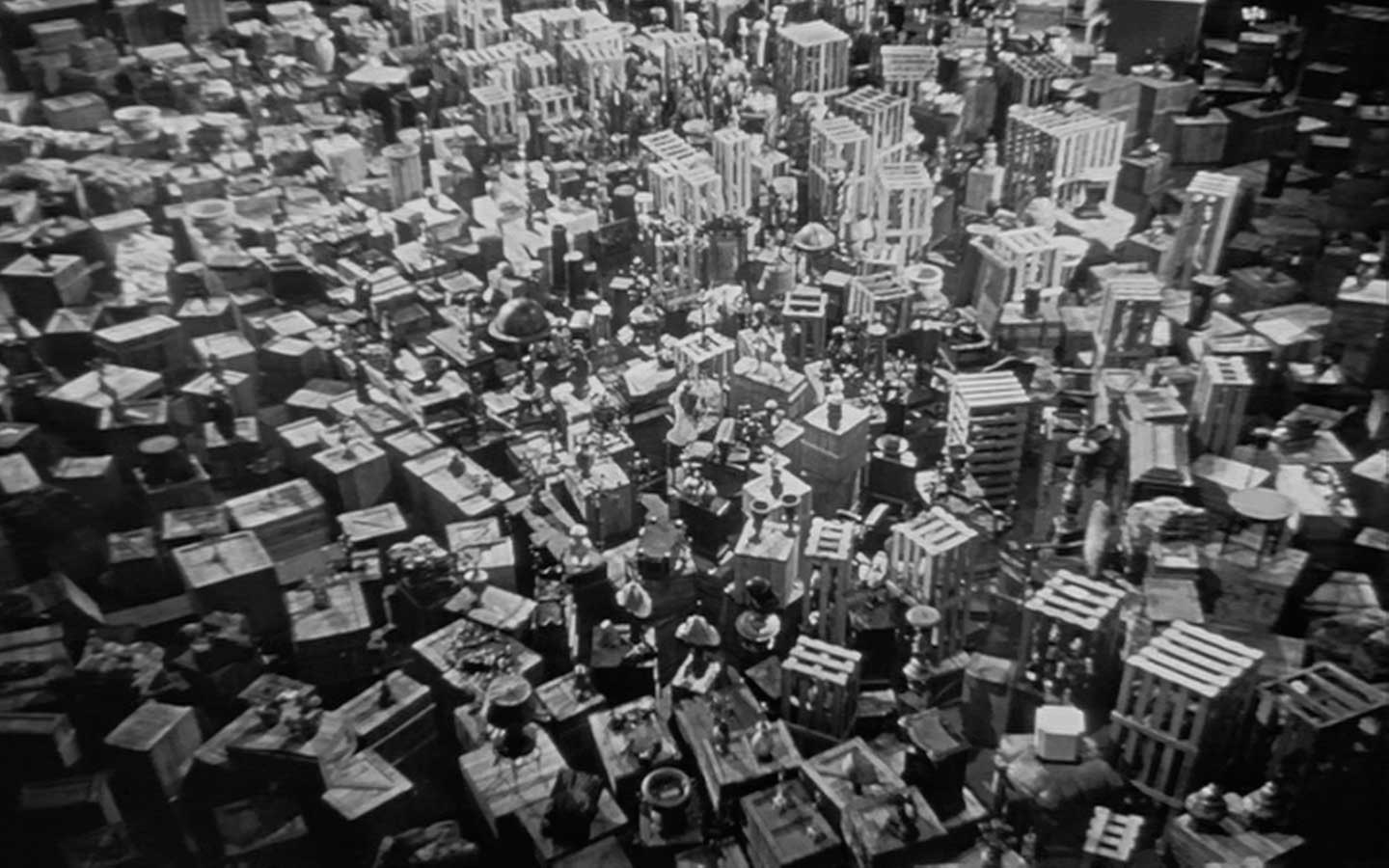
… Our works in stone, in paint, in print, are spared, some of them, for a few decades or a millennium or two, but everything must finally fall in war, or wear away into the ultimate and universal ash – the triumphs, the frauds, the treasures and the fakes. A fact of life: we’re going to die. “Be of good heart,” cry the dead artists out of the living past. “Our songs will all be silenced, but what of it? Go on singing.
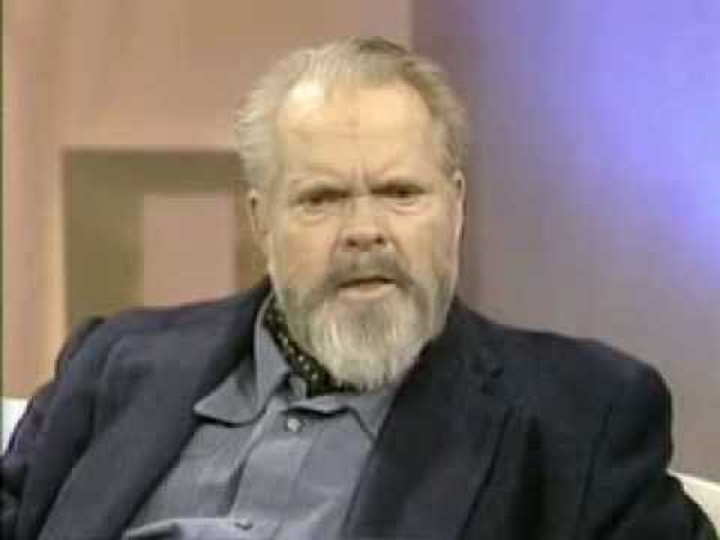
As to all, cheap wine hawkers, voice-over whores and movie legends, Orson Welles, whose remarkably innovative Citizen Kane was named the best American-made picture of all time in a 1998 American Film Institute poll, died of a heart attack at the age of 70 on this date.
Yul Brynner, Russian-born, Academy Award-winning Broadway and Hollywood actor died on October 10, 1985 (the same day as Orson Welles, his co-star in The Battle of Neretva) in New York City. The cause of death was lung cancer brought on by smoking. Throughout his life, Brynner was always seen with a cigarette in his hand. In January 1985, nine months before his death, he gave an interview on Good Morning America, expressing his desire to make an anti-smoking commercial.

The clip from that interview was made into just such a public service announcement by the American Cancer Society and released after his death; it includes the warning “Now that I’m gone, I tell you, don’t smoke.“<
If only he listened to himself.

