
The eleventh day of the Lunar New Year is traditionally known as the day to welcome Zigu Shen (the “Purple Lady,” the “Lady of the Latrine,” or the “Third Daughter of the Latrine”). According to legend, Zigu was a concubine of a wealthy man in ancient China. Out of jealousy, the man’s wife killed her in the toilet. Zigu came to represent women who suffered under oppression in feudal society and became a deeply relatable figure for women living within patriarchal systems.
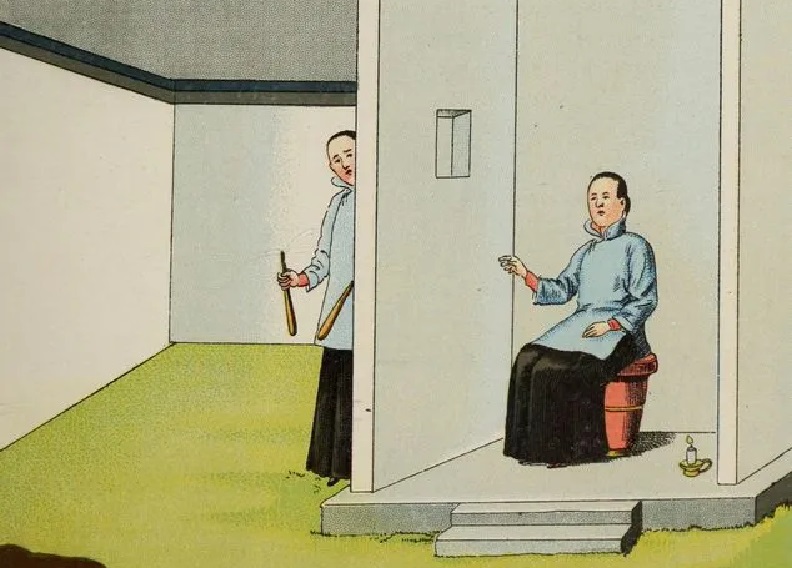
Rituals in her honor often involved chanting to put her spirit at ease, acknowledging her suffering and seeking her guidance as a deity of the domestic sphere.

The figure of Zigu is sometimes associated with other tragic women from history, most notably Lady Qi, a concubine of the founding emperor of the Han dynasty, Liu Bang. After his death, Lady Qi was brutally mutilated and thrown into a privy by Empress Lü Zhi. Later generations, moved by sympathy for her fate, commemorated her as a deity. According to some versions of the legend, the Heavenly God took compassion on Zigu Shen and appointed her the goddess of the toilet. (I remain somewhat ambivalent about the reward she received in this arrangement.)
Traditionally, the eleventh day of the Lunar New Year is also when a wife’s father invites his son-in-law to a meal at home. This custom provides an opportunity for bonding between the two families. The feast often makes use of surplus food and high-quality dishes originally prepared for the Jade Emperor’s Birthday (the ninth day). Using these leftovers is considered both efficient and auspicious, neatly captured by the idiom yi ju liang dé (“to kill two birds with one stone”).

As the Lantern Festival (the fifteenth day) approaches, families begin purchasing lanterns and preparing ingredients for tang yuan (sweet glutinous rice balls), the traditional dessert served during the festival.
 The Haus of Dcaligari