
The festival of Lammas marks the beginning of the harvest, when people go to church to give thanks for the first grain to be cut.

This is the long way of saying that it’s August again.

How did a single month become so important? Like almost everything else that’s difficult to understand, the history of August begins in Ancient Rome.
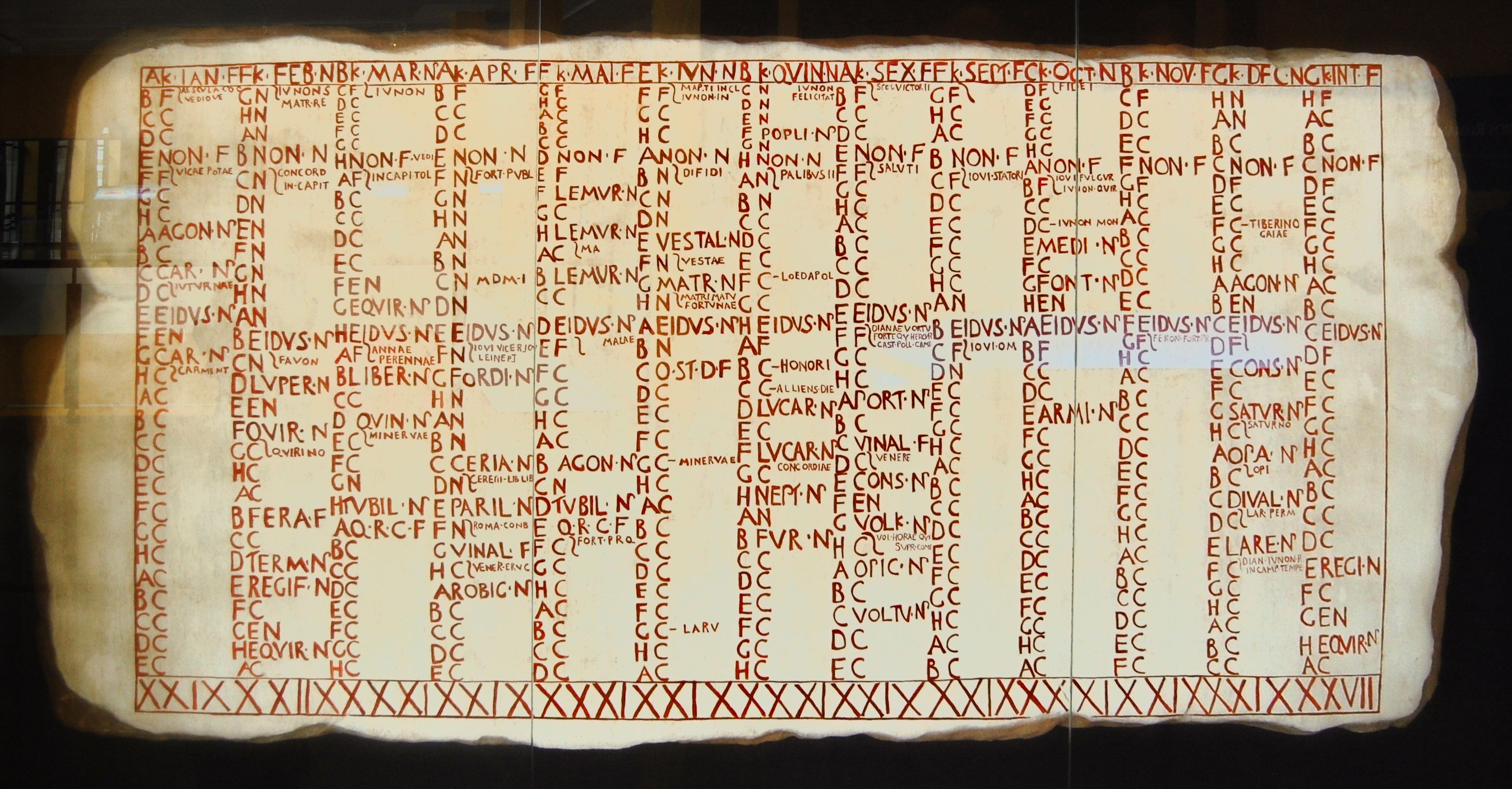
The Roman calendar was a hot mess. Not just because there were VII days in a week and XXVIII days in a month, but also because the calendar was being managed by a high priest. In 46 BC, for example, autumn began in January. This irritated Julius Caesar, who demanded that the calendar be reformed to make sense – and that the priests assigned to manage it, stop getting high.
Caesar’s new calendar went into effect on January 1, 45 BC. The fifth month of the year, Quintilis, which had actually been the seventh month of the year, was renamed July – short for Julius – in honor of his work on the calendar. (Calendar professionals still refer to July as the “Caesarian section.”)
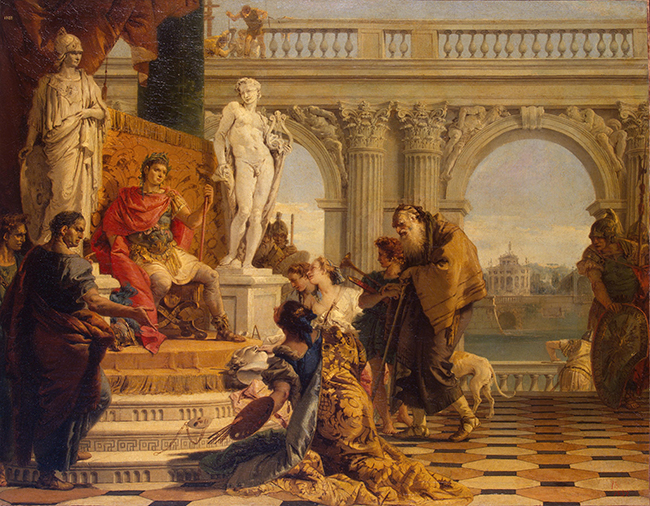
Years later, after Caesar’s grand-nephew defeated Mark Anthony and Cleopatra and became emperor of Rome, the Senate decided to name a month after him. They chose the month of Sextillus, the sixth month (and therefore eighth), and renamed it Gaius Octavius. Fortunately the Emperor renamed himself Augustus before any calendars had been printed.
The Emperor was not entirely pleased. His month had only 30 days, whereas his grand-uncle’s had 31. The Senate immediately added another day to August, removing it from February in the hope of losing one day of winter to gain one of summer.
Remember to celebrate responsibly the following, this month, using plenty of ACME Sunscreen:
Brownies at Brunch Month
National Peach Month
Pink Toenail Month
Clown Month
International Left-handed Month
Eye Exam Month
Family Meal Month
National Inventors Month
And so it goes
 The Haus of Dcaligari