
May 14, 1925 –
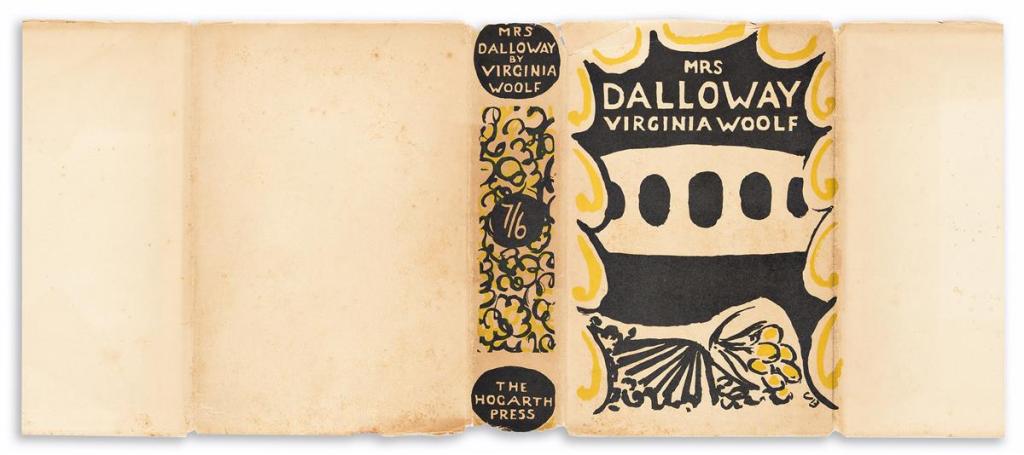
On this fine spring day, a middle-aged London society matron goes out to buy flowers for a party. Meanwhile, across town, a shell-shocked World War I veteran is grappling with severe PTSD and planning his tragic exit from a world that refuses to understand him. Just your average Thursday, really. Virginia Woolf’s groundbreaking novel Mrs. Dalloway hit the shelves on this date.
What Mrs. Dalloway actually delivers is a deep, stream-of-consciousness journey through the minds of its characters, all within the span of a single day. Readers are taken on an emotional rollercoaster of neuroses, repressed desires, class anxiety, mental illness, and existential dread—with bonus appearances by Big Ben and cucumber sandwiches. Woolf’s fluid, impressionistic style broke with literary tradition, diving headfirst into themes that were, for the 1920s, about as taboo as wearing pants to high tea. Homosexuality? Check. Feminism? Absolutely. The psychological toll of war? Front and center. All woven seamlessly into a narrative where not all that much happens – and yet everything happens.
 The Haus of Dcaligari