
A salad is not a meal. It is a style.
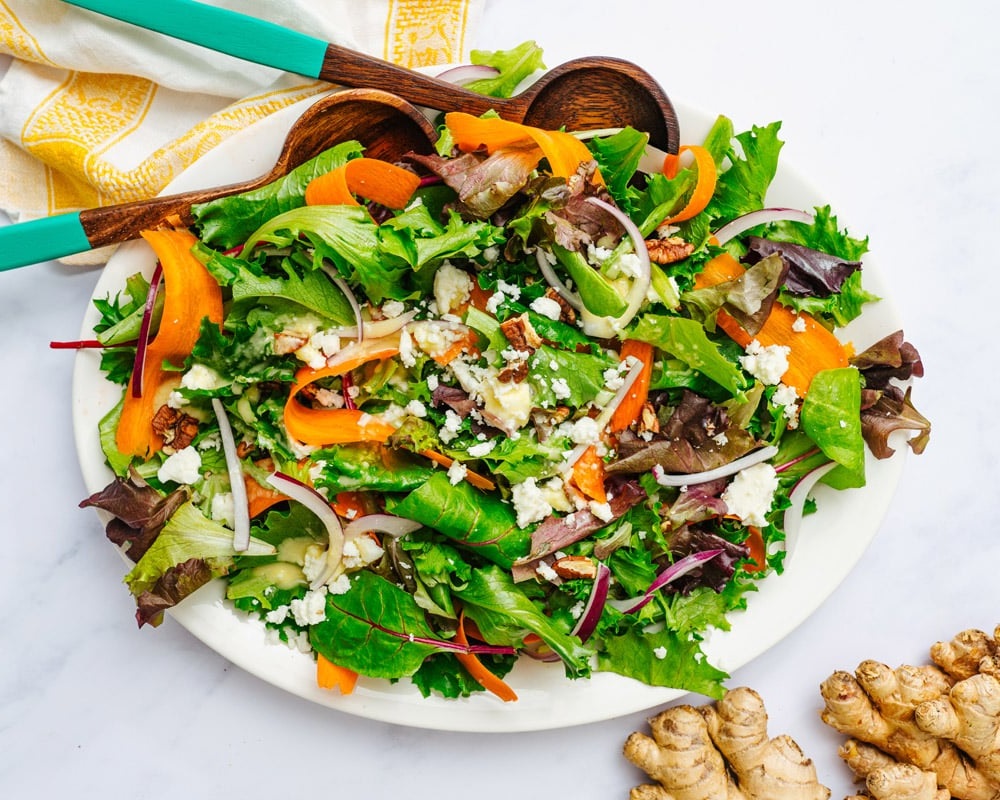
You may not know it, but in the United States, May is National Salad Month. And by delightful coincidence, the second full week of May is National Herb Week. It’s a time to celebrate the earth’s green bounty — by putting verdure on a plate. Or in a bowl. Salad is nothing if not versatile.
Salad, in fact, has a long and noble history. The word comes from the Latin Herba Salta — which sounds like “urban assault” but actually means “salted herbs.” That’s what Roman salads were: leafy greens and herbs dressed with salty oils. Simple, yet timeless.
Of course, the Romans didn’t invent salad. Humans have been munching on herbs and greens since long before the invention of the salad fork. Our early ancestors ate leaves and veggies straight from the plants, vines, and trees where they grew—essentially the original salad bars, minus the sneeze guards. Some scientists even suggest that our ancient grazing instincts explain why we tolerate those feeble sneeze guards today.
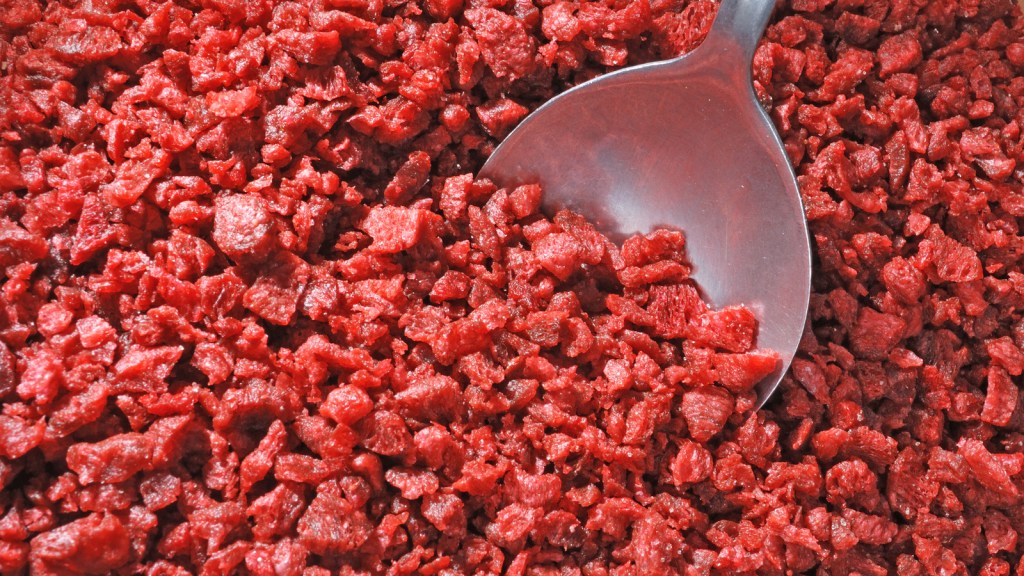
Still, salad wasn’t truly perfected until the arrival of Bac-O Bits®—the genetically altered, bacon-flavored marvel that resists radiation and doubles as driveway gravel. A true staple of the American salad experience.
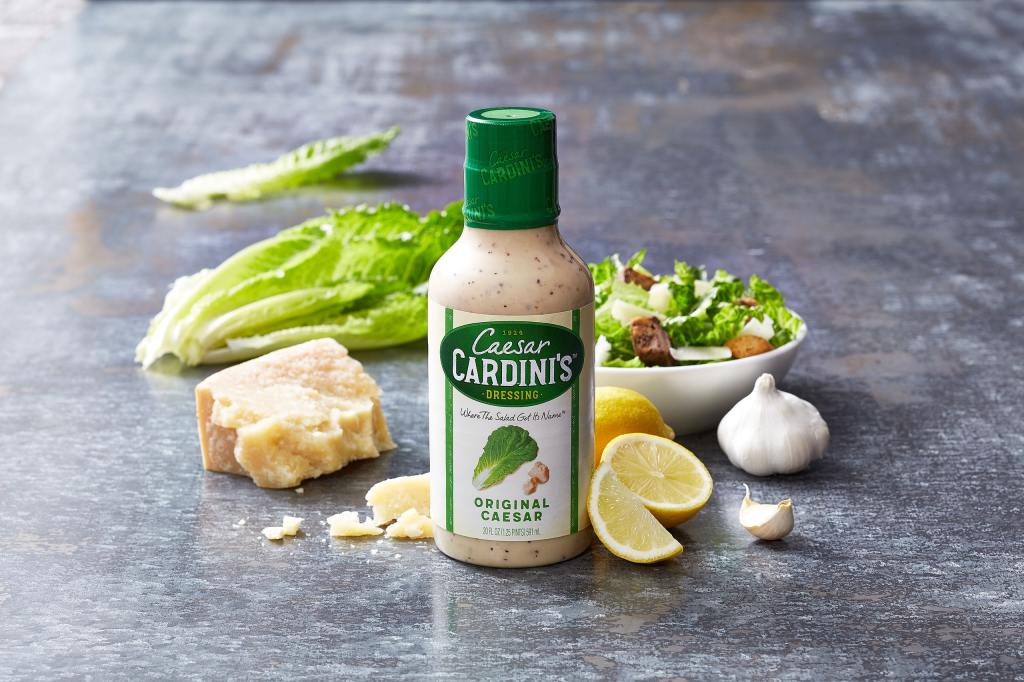
According to the Association for Dressings and Sauces (the benevolent force behind National Salad Month), salad dressings have a history just as rich. The Chinese have been using soy sauce for over 5,000 years. The Babylonians mixed oil and vinegar. Worcestershire sauce dates back to Caesar’s day—though, ironically, the Caesar salad wasn’t invented by Julius Caesar, nor by Sid Caesar, but by Caesar Cardini, a Mexican restaurateur, in 1924.
The Egyptians liked oil and vinegar spiked with exotic spices. Mayonnaise, that creamy king of dressings, was invented in 1756 by the Duke de Richelieu after a victory over the British at Port Mahon (hence Mahonnaise, later cleaned up to mayonnaise). The Duke is remembered less for his military prowess and more for his all-nude dinner parties. I won’t speculate how a roomful of naked diners decided their salads needed creamy dressing, but history works in mysterious ways.
Fast forward to 1896: Joe Marzetti of Columbus, Ohio, began serving his customers homemade dressings based on old-country recipes. His restaurant might have done better if he’d focused on meals rather than condiments, but the dressings were such a hit that he bottled and sold them. Thus, a market niche was born.
By 1950, Americans were buying 6.3 million gallons of salad dressing a year. By 1997, that number had exploded to over 60 million gallons — a fact proudly posted on the Association’s website, so you know it’s true.
With about 260 million people in the U.S. in 1997, that averages out to 4.3 gallons of dressing per person per year. Enough to drip a tablespoon every mile from New York to Chicago. Personally, I don’t buy salad dressing, which means some poor soul out there is hauling home 8.6 gallons annually to keep the national average balanced. But it all evens out — I’m probably drinking his gin.
It’s worth noting that the Association measures dressing sold, not consumed. We’ve all witnessed that tragic bottle in the fridge: the once-creamy sauce now congealing at the bottom, a crust forming around the cap. Multiply that nationwide, and you’ve got a few million gallons quietly decomposing every year.
Demand Euphoria!
 The Haus of Dcaligari