
June is the sixth month of the year and consists of thirty days. The ancient Romans gave it 29 days until 46 BC, when Julius Caesar added the thirtieth for reasons known only to himself (Caesar’s hobbies seem to be conquest of the known world, sleeping with some very rich North African teenager and calendar making.)
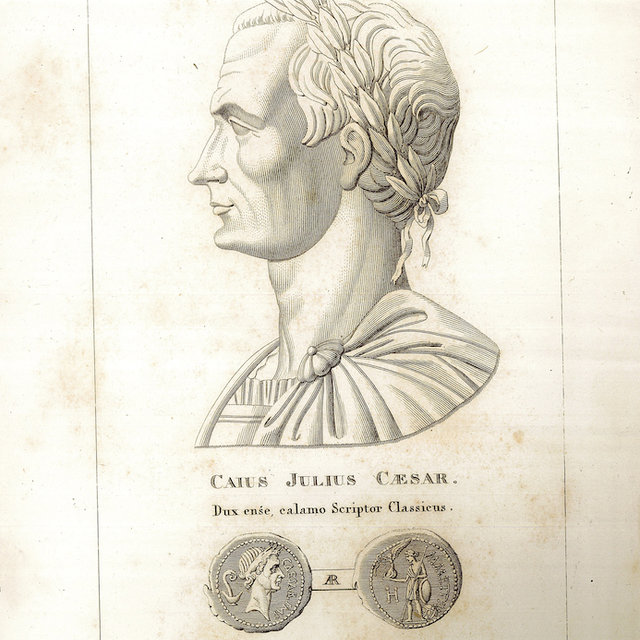
The last day of the month is therefore referred to as its “Caesarian Section” by calendar insiders.
(Calendar insiders need to get out more often.)
The month is believed to derive its name from either the Roman goddess Juno, patron goddess of marriage, or the Latin word iuniores, (the young ones).
June marks the transition from spring to summer in the northern hemisphere, and from fall to winter in the southern hemisphere. (It is not a transitional month in other hemispheres.)
June has usually been the most popular month for weddings, but it’s commonly overlooked that it’s also one of the top twelve months for bathtub drownings and spontaneous combustion.
June is traditionally considered the poet’s month because with the warming of the earth and the lengthening light of the fragrant evenings, thoughts inevitably turn to romance as hearts and passions swell. Also, June rhymes with a lot of words. For example: afternoon, aswoon, Autoimmune, baboon, balloon, bassoon, bestrewn, boon, buffoon, cartoon, cocoon, contrabassoon, croon, doubloon, dragoon, dune, entune, excommune, festoon, harpoon, hewn, honeymoon, immune, inopportune, impugn, jejune, lagoon, lampoon, loon, macaroon, maroon, monsoon, moon, noon, pantaloons, picayune, platoon, poltroon, pontoon, prune, raccoon, rune, saloon, soon, spittoon, spermatozoon, strewn, swoon, tune, tycoon, typhoon, untramaroon, and vinegarroon.
And so it goes
 The Haus of Dcaligari